




Celebrating young innovators across Lebanon
The “M-Gov Award – Lebanon” is an initiative of the Emirates Government Experience Exchange Office at the Ministry of Cabinet Affairs of the United Arab Emirates in partnership with the Lebanese Ministry of State for Information Technology and Artificial Intelligence. It celebrates the creativity and civic engagement of university students across Lebanon.
The initiative highlights the pioneering role of Lebanese universities and the young innovators who address local and global challenges through their ideas, prototypes, MVPs and mobile applications. It recognizes projects that adopt novel approaches, use technology efficiently to solve real-world problems, and deliver tangible benefits that can grow beyond their original context.
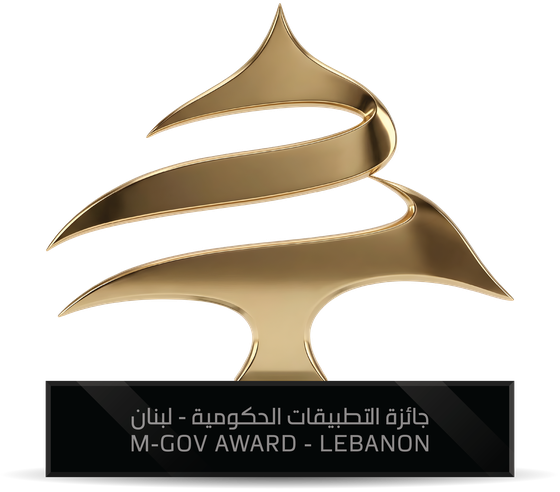
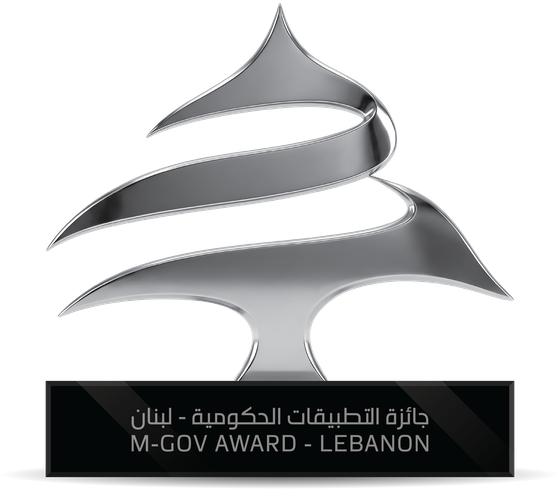
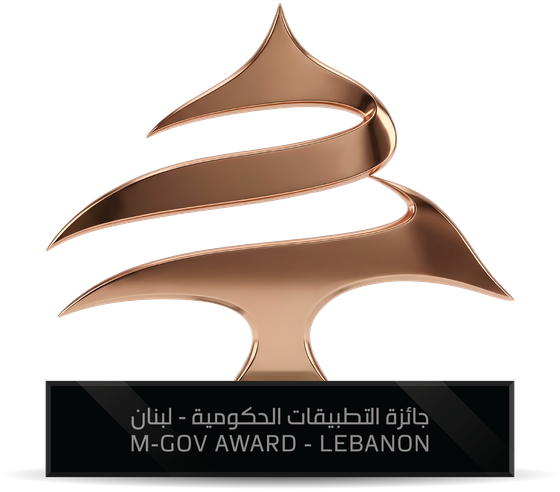
Three awards for three winning teams
Who can apply
University students
Only students enrolled in public and private universities, accredited and recognized by the relevant national authorities, can apply.
Teams of 2 to 6
Students cannot participate individually; they must apply for the award as a team that consists of a minimum of two and maximum six individuals.
Multiple entries welcome
Every team can participate with more than one application for different projects. Every University can participate with more than one team.
Presentation deck required
As part of filling the submission application, teams are requested to submit a presentation deck of their project explaining the functions of the existing/eventual app, its rationale, the problem it solves, and well-explained and demonstrated scalability.
Student-built work
The submitted projects must be developed by the students themselves and based on their academic work and studies.
Tick all five? You’re in.
Submit Your ProjectHow projects are evaluated
An independent jury assesses each submission against the following five criteria.
Efficiency and Effectiveness
How well the solution achieves its goals, uses resources efficiently, and addresses persistent problems that affect a large part of the population with tangible benefits.
Ease of Use and User Experience
The quality of the user experience and interface design, and how easily citizens can understand and use the application.
Creativity and Innovation
The novelty of the idea, the creative use of technology, and the approach taken to solve a real-world problem through a mobile application.
Feasibility and Sustainability
The practicality of implementation, the cost-effectiveness and financial viability of the solution, its environmental impact, and its potential to be scaled or replicated for broader audiences, regions, or contexts.
Overall Impression and Presentation
The clarity and quality of the presentation deck and the overall coherence of the submission.
Meet the winning teams
From the event
نحتفي بالمبتكرين الشباب في لبنان
تُعد جائزة "أفضل التطبيقات الحكومية - لبنان" مبادرة ينظمها مكتب التبادل المعرفي الحكومي بوزارة شؤون مجلس الوزراء في دولة الإمارات العربية المتحدة، بالشراكة مع وزارة الدولة لشؤون تكنولوجيا المعلومات والذكاء الاصطناعي في الجمهورية اللبنانية، وتحتفي الجائزة بإبداع طلبة الجامعات في لبنان ومشاركتهم المجتمعية.
وتهدف المبادرة إلى تسليط الضوء على الدور الريادي للجامعات اللبنانية، والشباب المبدع والمبتكر الذين يسهمون من خلال أفكارهم ونماذجهم الأولية ومنتجاتهم الأولية القابلة للتطبيق (MVPs) وتطبيقاتهم الذكية في مواجهة التحديات المحلية والعالمية.
وتكرّم الجائزة المشاريع التي تتبنى أساليب مبتكرة، وتوظف التكنولوجيا بكفاءة لمعالجة مشكلات واقعية، وتحقق فوائد ملموسة قابلة للتوسع والتطبيق في سياقات ومجالات أوسع.
ثلاث جوائز لثلاثة فرق فائزة
من يمكنه المشاركة
طلاب الجامعات
يمكن للطلاب المسجلين في الجامعات الحكومية والخاصة المعتمدة التقدم للمشاركة في الجائزة.
فرق من 2 إلى 6
لا يُسمح للطلاب بالمشاركة بشكل فردي، إذ يتعين عليهم التقدم للمشاركة ضمن فريق يتكون من عضوين كحد أدنى وستة أعضاء كحد أقصى.
يمكن تقديم أكثر من مشاركة
يمكن لكل فريق تقديم أكثر من مشاركة لمشاريع مختلفة، كما يمكن لكل جامعة المشاركة بأكثر من فريق.
عرض تقديمي مطلوب
يتعين على الفرق، ضمن طلب المشاركة، رفع عرض تقديمي لمشاريعهم يوضح وظائف التطبيق الحالي أو المقترح، وأساس الفكرة، والمشكلة التي يسعى المشروع إلى معالجتها، ومدى قابليته للتوسع، مع تقديم شرح وافٍ وأمثلة توضيحية لذلك.
عمل من تنفيذ الطلاب
يجب أن تكون المشاريع المقدمة من تطوير الطلاب أنفسهم، وأن تستند إلى أعمالهم ودراساتهم الأكاديمية.
تستوفي الشروط الخمسة؟ شارك الآن.
قدّم مشروعككيف تُقيَّم المشاريع
تتولى لجنة تحكيم مستقلة تقييم كل مشاركة وفقاً للمعايير الخمسة التالية.
الكفاءة والفاعلية
مدى قدرة الحل على تحقيق أهدافه، وتوظيف الموارد بكفاءة، ومعالجة المشكلات المستمرة التي تؤثر على شريحة واسعة من السكان، وتحقيق فوائد ملموسة.
سهولة الاستخدام وتجربة المستخدم
جودة تجربة المستخدم وتصميم واجهة التطبيق، ومدى سهولة فهم التطبيق واستخدامه من قبل أفراد المجتمع.
الإبداع والابتكار
مدى حداثة الفكرة وتميزها، والاستخدام الإبداعي للتكنولوجيا، والمنهجية المتبعة لتوظيف تطبيقات الهاتف المحمول في معالجة مشكلة واقعية.
الجدوى والاستدامة
مدى واقعية إمكانية تنفيذ الحل، وكفاءته من حيث التكلفة وجدواه المالية، وأثره البيئي، وإمكانية التوسع في تطبيقه أو تكراره لخدمة شرائح أوسع أو مناطق وسياقات مختلفة.
الانطباع العام وجودة العرض
وضوح وجودة العرض التقديمي للمشروع، ومدى تكامل عناصر المشاركة واتساقها بشكل عام.